
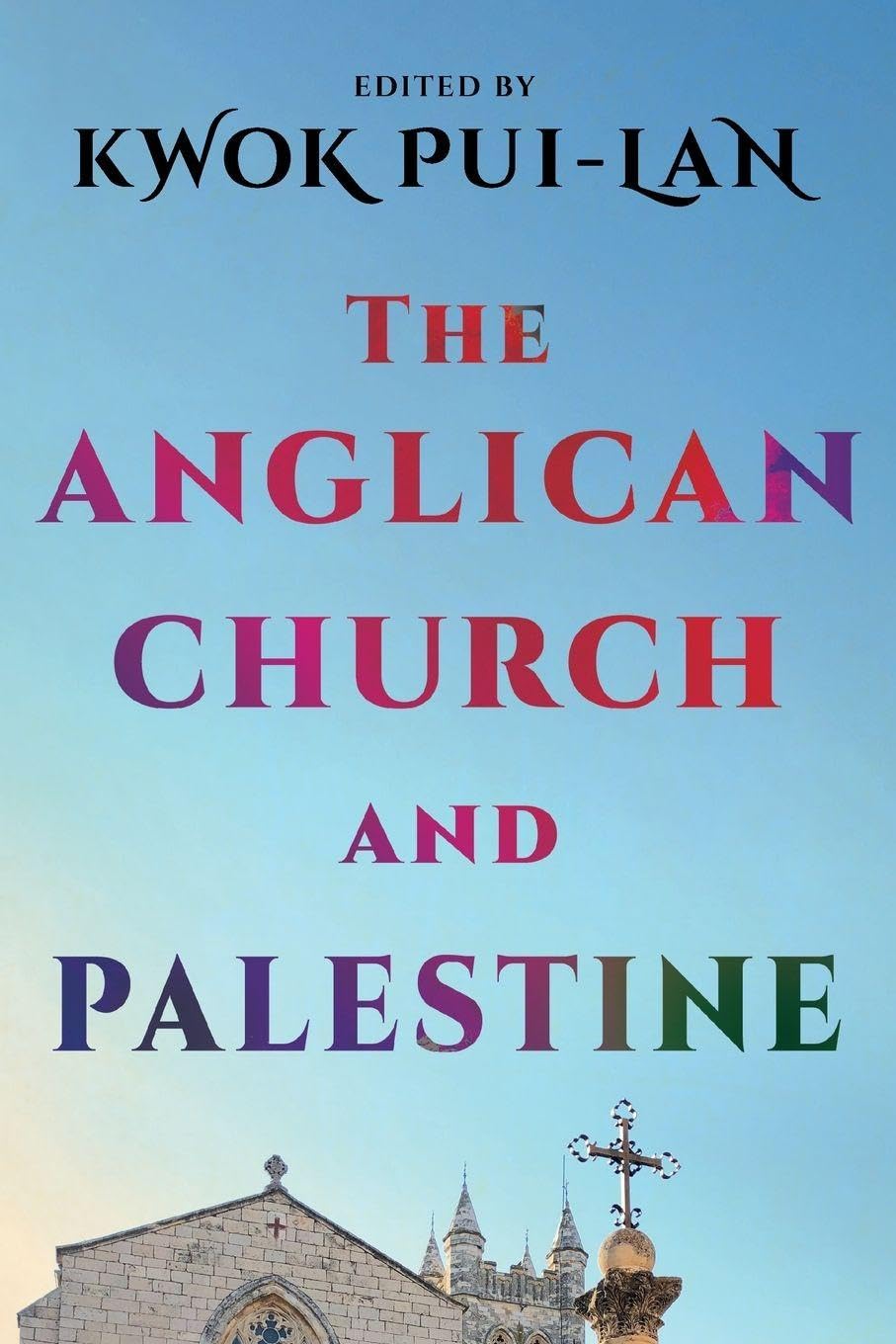
It was both a surprise and a delight to be asked—around this time last year—to contribute a chapter to a collection of essays on the Anglican Church and Palestine being edited by Kwok Pui-Lan, a distinguished scholar at Episcopal Divinity School.
The fact that there is a Palestinian Anglican Church is something of a surprise to many people, but it is one of the accidents of empire.
The cross often followed the crown as Britain expanded its colonial footprint in the 1800s. In the case of Palestine, the cross actually preceded the crown; but was—all the same—an instrument of imperial policy.
That same coalition of cross and crown is reflected in the massive episcopal residence (palace, really) which is the defining building of St Francis College, in Brisbane. This colonial monument stands on the unceded lands of the Yagera and Turrbul peoples, and entirely fails to reflect the many thousands of years of Indigenous history prior to the arrival of the British (and the Anglicans).
There was another kind of cultural clash awaiting Michael Solomon Alexander in 1841 when he arrived in Jerusalem to take up his appointment as the first Anglican bishop to serve in Alquds. Alexander came with a clear mandate from the Archbishop of Canterbury. He was to focus exclusively on the mission to the Jews, and was not to “interfere in any way in the affairs of the Eastern Churches.”
Aside from the Jews and the Eastern Christians, there were the Muslims. Conversion of Muslims was not allowed during the Ottoman period, and the Jewish residents of Jerusalem were not interested in the End Times theology that undergirded the joint Anglican and Prussian project led by Alexander. Not surprisingly, the Protestant mission increasingly turned its focus on the Eastern Churches, and when it did eventually ordain Arabs these men were all converts from the Greek Orthodox, Melkite and Latin communities.
The ordination of Palestinian clergy was an innovation at the time, along with lay leadership via church councils. Gradually the Anglican communities increasingly reflected the local cultural expressions of Christianity in the historic churches of Palestine. Today the tensions from the second half of the nineteenth century have mostly evaporated, and the Anglican communities work happily alongside their local Christian neighbours.
My contribution to the book was to trace the history of the Anglican community in Nazareth. The other Australian contribution was by John Snobar in Perth. John’s essay describes the ministry of his grandfather, Bishop Faik Ibrahim Haddad, who was the first Palestinian to serve as a Bishop in Jerusalem. After almost 2,000 years!
Join us at 7.00pm (Sydney time) on Monday, 19 October for a free online book event hosted by Palestinian Christians in Australia, when John and I will discuss our contributions to the book with the Palestinian Australian author, Reem Borrows.
Register here for the Zoom link.
Do leave a reply. I always appreciate hearing from my readers/Cancel reply